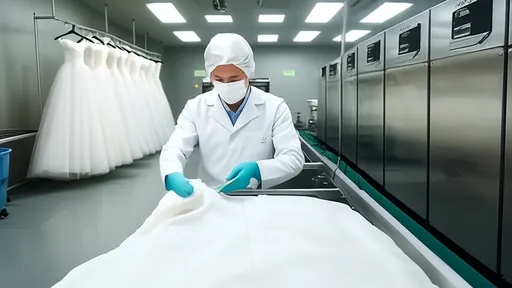
The bridal industry is undergoing a quiet revolution as sustainability becomes a priority for modern couples. Among the most significant shifts is the growing popularity of rented wedding dresses, a practice that challenges the tradition of single-use gowns. This movement isn't just about reducing textile waste—it's sparking crucial conversations about hygiene standards in garment circulation. As more brides opt for rented dresses, the need for standardized cleaning protocols has become impossible to ignore.
Behind the scenes, specialized cleaning facilities are developing rigorous processes to ensure each dress meets health and safety requirements without compromising delicate fabrics. These operations go far beyond typical dry cleaning, involving multiple inspection points, eco-friendly detergents, and quarantine periods for each garment. The challenge lies in creating systems that are both environmentally responsible and capable of preserving intricate beadwork, fragile lace, and sensitive dyes through dozens of rental cycles.
Industry leaders have observed that today's brides approach rentals with different expectations than previous generations. Where vintage shoppers might have accepted minor imperfections as part of a garment's history, contemporary renters demand immaculate presentation while still valuing sustainability. This paradox has pushed cleaners to innovate with steam sterilization techniques that kill bacteria at lower temperatures and pH-neutral solutions that protect both fabrics and the environment.
The standardization process reveals surprising complexities. Wedding dresses contain an average of fifteen different material types in their construction, each reacting differently to cleaning agents. Beaded sections may require hand-washing, while structured bodices need specialized support during wet cleaning to maintain their shape. Some facilities have begun implementing material passports for each dress—detailed records of fabric compositions and previous treatments that inform customized cleaning approaches.
Consumer education forms another critical piece of the puzzle. Many brides don't realize that traditional dry cleaning methods often use perchloroethylene, a chemical classified as hazardous to both human health and the environment. Forward-thinking rental companies now include transparency reports with each gown, detailing the cleaning methods used and their environmental impact. This level of disclosure helps build trust in rented garments while raising awareness about sustainable alternatives.
Regulatory bodies are beginning to take notice of this emerging need. In several European countries, discussions are underway to establish continent-wide standards for wedding dress rentals, covering everything from allergen removal protocols to water recycling requirements in cleaning facilities. These potential regulations could mirror existing standards in the medical textile industry, where hygiene and reuse have long been carefully balanced.
The economic implications are equally fascinating. Standardized cleaning processes create new opportunities for small businesses specializing in sustainable garment care. Some entrepreneurs have developed mobile cleaning units that serve multiple rental boutiques, reducing transportation emissions. Others offer "cleaning as a service" to designers who want to transition into rental models without building their own cleaning infrastructure.
Technology plays an increasingly important role in this evolution. Several startups are developing RFID tags that track cleaning cycles and garment conditions, while advanced imaging systems can detect invisible stains or structural weaknesses before they become problems. These innovations allow rental companies to extend the lifespan of each dress while maintaining quality standards—a crucial factor in making the business model sustainable both ecologically and financially.
Cultural attitudes continue to evolve alongside these technical advancements. Where wedding dress rentals once carried stigma in some communities, they're now embraced as a smart choice by environmentally conscious couples. High-profile celebrities wearing rented gowns have helped normalize the practice, while social media allows satisfied customers to share their positive experiences. This shift makes it easier for new rental businesses to enter the market, further driving demand for standardized cleaning solutions.
The environmental impact already shows promising signs. Preliminary data from rental companies suggests that each dress reused fifteen to twenty times reduces its carbon footprint by nearly 75% compared to single-use purchases. When combined with sustainable cleaning methods, the total savings become even more significant. Water reclamation systems in advanced cleaning facilities can recycle up to 90% of the water used in the process, addressing another major environmental concern in textile maintenance.
Looking ahead, the wedding industry may see consolidation around cleaning standards much like the hotel industry unified around linen care protocols. Trade organizations have begun working on certification programs that would allow consumers to identify rental companies adhering to strict hygiene and sustainability guidelines. Such certifications could become the norm within the next decade, giving couples confidence that their sustainable choice doesn't require compromising on quality or cleanliness.
This quiet revolution in bridal fashion represents more than just a change in consumer behavior—it's a case study in how industries can adapt to environmental realities without sacrificing the magic of special occasions. As cleaning standards become more sophisticated and widely adopted, rented wedding dresses may shift from alternative option to mainstream expectation, proving that sustainability and romance can walk down the aisle together.
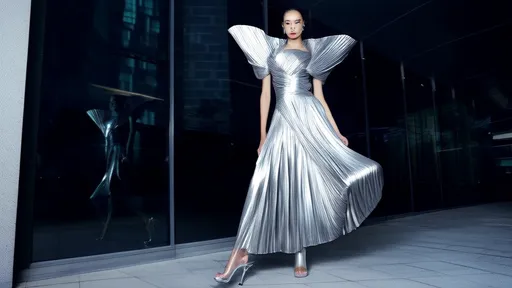
The intersection of athletic functionality and evening wear elegance has birthed one of fashion's most compelling contemporary hybrids: the performance evening gown. Where once these two worlds existed in separate sartorial universes, designers now weave technical fabrics into lavish silhouettes with the precision of couturiers and the ingenuity of engineers. This sartorial alchemy doesn't simply layer sportswear elements over formalwear - it reimagines the very architecture of glamour through the lens of movement.
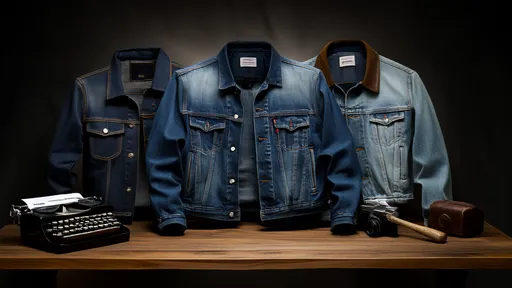
The denim jacket stands as one of fashion’s most enduring silhouettes, a garment that has weathered shifting trends while maintaining its rebellious spirit. What began as utilitarian workwear in the late 19th century has evolved into a cultural touchstone, with each decade leaving its mark on the classic design. From its origins in the American West to its adoption by countercultural movements, the denim jacket’s journey reflects broader societal changes, making it far more than just a piece of clothing.
The fashion world is buzzing with the latest innovation in wardrobe staples: the redefined little black dress (LBD) featuring adjustable-length magnetic design. This groundbreaking approach to a timeless classic is set to revolutionize how women interact with their most trusted garment. Gone are the days of owning multiple LBDs for different occasions; this single, versatile piece adapts to your needs with effortless precision.
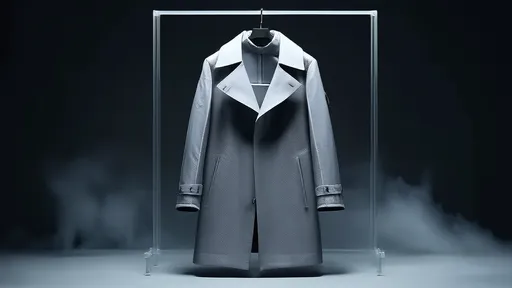
The fashion industry has long sought the perfect balance between aesthetics and functionality, particularly in outerwear. For decades, designers have wrestled with the challenge of creating lightweight, stylish coats that can withstand the elements without sacrificing form. Now, a groundbreaking innovation in textile technology promises to revolutionize the classic trench coat: paper-like waterproof coatings that defy conventional expectations of durability and performance.
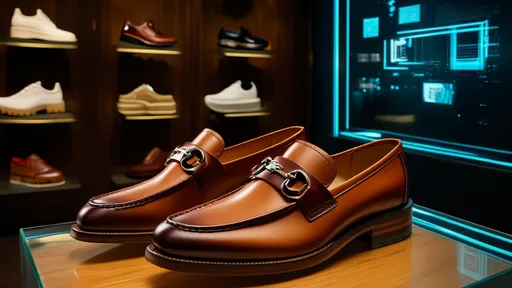
The loafer has walked a curious path through fashion history – from Ivy League campuses to Silicon Valley offices, from preppy status symbol to countercultural staple, and now into the pixelated realms of digital avatars. This slip-on shoe with its mocassin construction and heel strap has become one of footwear's most enduring shape-shifters, adapting to each era while retaining its essential DNA.
The ancient Maya civilization left behind more than just towering pyramids and mysterious glyphs - they gifted humanity with an intricate cosmic clock that continues to inspire modern design. Fashion designers and textile artists are now rediscovering the profound beauty encoded within the Mayan solar calendar, transforming its sacred geometry into contemporary patterns that bridge millennia.
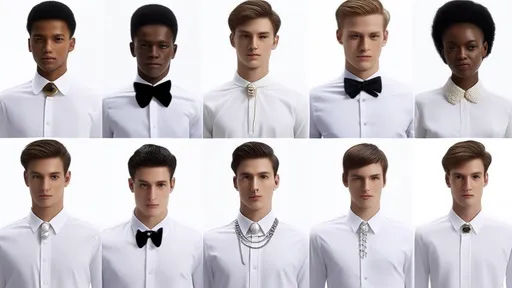
The fashion industry is witnessing a quiet revolution in menswear, where the humble white shirt is being reimagined through innovative detachable collar systems. This movement, often referred to as the "White Shirt Revolution," challenges traditional tailoring conventions by introducing unprecedented versatility to professional wardrobes. At its core lies a simple yet transformative idea: what if the most formal element of a dress shirt could be changed as easily as selecting a necktie?
The clinking of tiny silver hammers has echoed through Guizhou's misty mountains for centuries, where Miao artisans transform precious metal into wearable poetry. Today, this ancient craft faces a paradox - how to preserve its soul while shedding unnecessary weight for contemporary life. The answer may lie in subtraction.
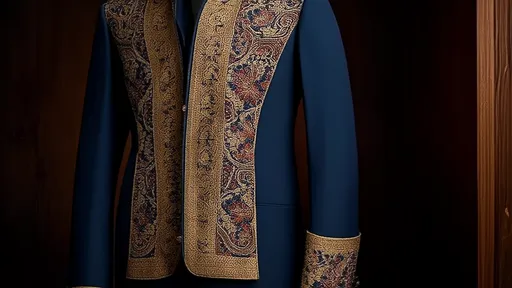
The world of fashion is no stranger to drawing inspiration from the rich tapestry of art history, but few collaborations are as visually striking as the recent trend of transplanting Persian miniature motifs onto modern suiting fabrics. This unexpected fusion of medieval Persian artistry with contemporary tailoring has created a sartorial revolution, blurring the lines between museum-quality craftsmanship and wearable art.
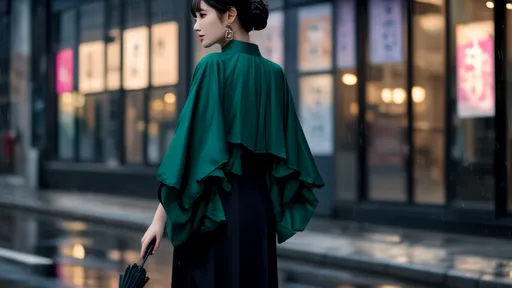
The traditional kimono, with its elegant lines and distinctive sleeve construction, has long been a source of inspiration for fashion innovators. Recently, a bold new styling technique has emerged from Tokyo's avant-garde fashion circles – transforming the kimono's signature wide sleeves into dramatic cape-like silhouettes. This sartorial alchemy breathes contemporary life into centuries-old garment architecture while preserving the garment's cultural DNA.
The rhythmic pulse of African geometry beats through generations, not in rigid Euclidean theorems but in the living language of tribal totems. Across the vast continent, from the scarified patterns of the Dinka to the fractal murals of the Bamileke, a profound visual mathematics emerges – one that distills cosmic order into minimalist forms while carrying the weight of ancestral memory.
The fashion world has long looked to Paris, Milan, and New York as its traditional powerhouses, but in recent years, a new contender has emerged from the East with undeniable force. Shenzhen Fashion Week, once a regional event, has rapidly evolved into a global phenomenon, showcasing the bold, innovative spirit of China’s new wave of designers. What sets this fashion week apart isn’t just its scale or glamour—it’s the raw, unfiltered creativity that challenges conventions and redefines what it means to be "Made in China."
The vast, sun-scorched expanse of the California desert became an unlikely cathedral of high fashion when Anthony Vaccarello presented Saint Laurent's latest collection. Against the stark beauty of this arid landscape, the creative director staged what can only be described as a masterclass in minimalist theater - one that left the fashion world reeling with its bold simplicity and raw emotional power.
The recent Gucci Twins campaign has reignited longstanding debates about cloning aesthetics in fashion advertising. When the luxury house released its eerie twin-themed visuals featuring models with identical features moving in perfect synchronization, audiences experienced equal parts fascination and discomfort. This uncanny valley effect lies at the heart of contemporary ethical discussions surrounding the artificial replication of human beauty.
The Chanel Terminal narrative has emerged as a fascinating cultural phenomenon, weaving together the worlds of luxury fashion and the universal language of travel. At its core, this concept represents more than just a seasonal collection or marketing campaign; it serves as a powerful contemporary metaphor for mobility, transition, and the fluidity of modern identity. The airport terminal, traditionally a transient non-place, becomes transformed through Chanel's lens into a stage for sartorial storytelling where luggage tags become jewelry and boarding passes transform into accessories.
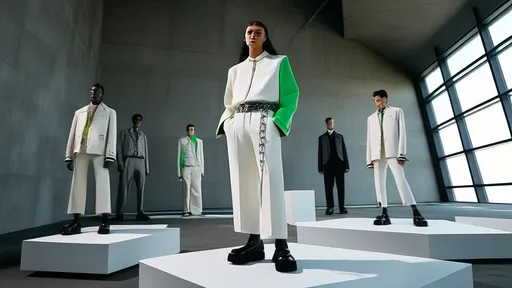
The Prada concrete runway show has once again redefined the boundaries between architecture and fashion, transforming raw industrial aesthetics into a sophisticated language of contemporary style. Against the backdrop of an unfinished brutalist space, models strode through a landscape of exposed beams and rough-hewn surfaces, their garments serving as both contrast and complement to the environment. This deliberate collision of refinement and rawness speaks volumes about fashion's evolving relationship with urban materiality.
The bridal industry is undergoing a quiet revolution as sustainability becomes a priority for modern couples. Among the most significant shifts is the growing popularity of rented wedding dresses, a practice that challenges the tradition of single-use gowns. This movement isn't just about reducing textile waste—it's sparking crucial conversations about hygiene standards in garment circulation. As more brides opt for rented dresses, the need for standardized cleaning protocols has become impossible to ignore.
The luxury resale market has long grappled with the challenge of authenticity. As counterfeit goods become increasingly sophisticated, traditional verification methods often fall short, leaving buyers and sellers vulnerable to fraud. Now, a groundbreaking solution is emerging: blockchain-based authentication systems designed specifically for pre-owned luxury items. This technological advancement promises to revolutionize how we verify high-end secondhand goods while bringing much-needed transparency to the $50 billion global luxury resale industry.
The fashion industry is witnessing a significant shift as accessible luxury brands recalibrate their pricing strategies to adapt to changing consumer behaviors. Among these brands, Michael Kors has emerged as a key player in this strategic pivot, adjusting its price points to maintain relevance in an increasingly competitive market. The move reflects broader trends in the industry, where consumers are becoming more price-sensitive without sacrificing their desire for quality and brand prestige.
The Alpha generation, born between 2010 and 2024, is coming of age in a world vastly different from that of their Millennial or even Gen Z predecessors. As the first truly digital-native cohort, their relationship with fashion and consumption is being shaped by unprecedented technological, environmental, and social forces. Their future wardrobes won’t just reflect personal style but will serve as a canvas for broader cultural shifts.